

How to Blend Art and Tech in the United Kingdom
Discovering Fusion: Art and Tech
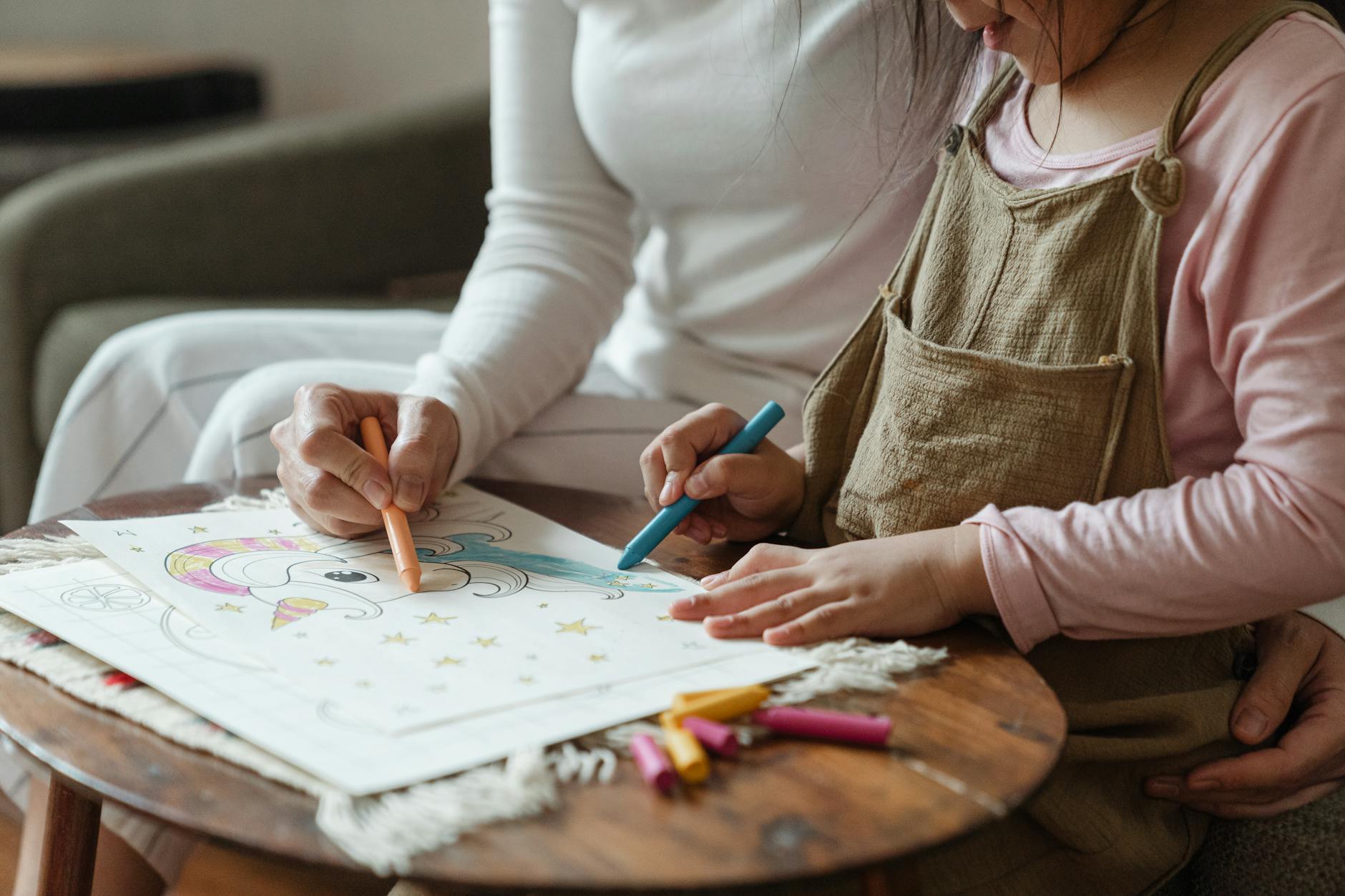
As someone deeply involved in both art and technology, I find the fusion of these fields exhilarating. For instance, painting classes London offer next-level experiences that blend traditional art techniques with modern tech innovations. Engaging in these classes can transform a conventional art lesson into an immersive experience, similar to exploring new digital art creation hacks. A recent visit to the Bristol tech hub at Engine Shed reminded me of how urban spaces are gradually becoming transformative grounds for various art forms.
The integration of art and technology offers myriad possibilities that resonate with my artistic sensibilities. I see this fusion reviving interest across various sectors, particularly when you consider activities like birthday ideas London where tech meets creativity for personalised experiences. For educators like me, weaving these concepts into our teaching can enhance student creativity and foster a deeper appreciation for both traditional and digital art.
When it comes to continuously enriching one's art practice, taking opportunities to learn in diverse settings, such as Cooking Classes London, reflects a broader trend of combining sensory and cognitive engagement. Whether in the form of hands-on workshops or engaging discussions on art forms, these classes can inspire and fuel innovation within our community. Offering my students such immersive experiences could ignite their passion for creative pursuits and open doors to new possibilities.
Educational Opportunities in the UK
In the vibrant world of art and tech, the UK offers educational avenues to inspire your creative journey. From dynamic workshops to immersive courses, you can elevate your craft through an array of “experience gifts.” These not only foster personal growth but shine a spotlight on the fascinating intersection between artistic expression and technological innovation. Whether you find yourself at the Bristol tech hub at Engine Shed diving into digital intricacies or attending captivating exhibitions at the Arnolfini Gallery, the creative landscapes in the UK are nothing short of inspiring.
Leading Art-Tech Programs
The UK stands tall with its prestigious art-tech programs. These institutions offer fusion curricula that deftly balance creative and technical skills. By seamlessly integrating coding, design, and digital art, they empower learners to innovate within the ever-expanding digital frontier. This approach ensures participants gain expertise that’s both comprehensive and practical, setting the stage for a well-rounded skillset.
Workshops and Courses Available
For those keen to hone their craft, “Pottery Classes London” feature highly interactive sessions, blending traditional techniques with contemporary tech practices. Such workshops target those who crave a hands-on approach, providing them with the tools to experiment and create. This hands-on experience proves invaluable, particularly for artists looking to marry classical methods with modern tools for a truly unique artistic expression.
Incorporating into School Curriculums
Incorporating these programs into school curricula encourages students to explore art through a tech-savvy lens. By blending art education with contemporary tech practices, schools can cultivate a learning environment that resonates with today's digitally-inclined youth. This holistic approach not only enriches the student experience but also paves the way for future innovations in the ever-evolving world of art-tech.
Bridging Gaps: Tools and Platforms
Software and Hardware Essentials
As tech-savvy creatives, bridging the gap between art and technology requires a toolkit that's up to par. For digital artistry, software such as Adobe Creative Suite can be quite the powerhouse. It's essential for everything from graphic design to video editing. For those who fancy sculpting but find themselves away from the clay, VR platforms like Gravity Sketch bring pottery class vibes into the digital realm. Hardware is equally important, with tablets like the Wacom series providing a tactile drawing experience that closely mimics traditional methods.
Online Platforms for Artists
Exploring art classes London might be on your to-do list, but the internet offers an abundance of resources. Behance and DeviantArt are fantastic for showcasing your work and connecting with other artists worldwide. These platforms act as virtual galleries that can inspire your next masterpiece. For those focused on coding or integrated art-tech projects, platforms like GitHub offer collaborative spaces reminiscent of the [Bristol VR Lab]'s coding workshops, where ideas can flourish in a communal setting.
Innovative Teaching Tools
In the realm of education, interactive tools make it easier to engage students. Platforms like Google Arts & Culture allow virtual visits to renowned museums, offering insight akin to the art exhibitions at the Arnolfini Gallery. Additionally, apps like Procreate and ArtRage can transform any classroom into a digital art studio. These tools not only support artistic growth but also keep lessons fresh and captivating for learners who thrive on interactivity and innovation.
Challenges and Best Practices
Overcoming Resource Limitations
Resource limitations in the art-education intersection present unique challenges, especially when aiming to introduce dynamic elements like digital art and tech tools into the curriculum. With tight budgets, it's essential to harness the power of local resources. One effective approach within the Bristol tech hub at Engine Shed is networking with tech professionals who might be willing to volunteer their expertise in coding workshops or digital art sessions. For instance, setting up collaborations with organisations could yield favourable terms or even donated equipment that invigorates the learning environment.
Best Practices in Classroom Integration
When classroom integration is the goal, personalised learning experiences become quite invaluable. Tailoring activities that mesh well with both art and tech can foster creativity and innovation. An idea worth exploring is organising art-tech excursions or interactive sessions at venues like the Arnolfini Gallery. These excursions can also spark interest in unique offerings, such as gift experiences for her that could be leveraged as educational opportunities. These, paired with a well-crafted curriculum that intertwines art theories with tech principles, can significantly elevate student engagement.
Ensuring Accessibility for All
Ensuring accessibility remains highly crucial when rolling out any new initiative. Digital divides can be bridged by offering subsidised access to tech tools or hosting workshops in less advantaged neighbourhoods. Encouraging community involvement allows for a richer pool of resources, be it through sponsorship or skills-sharing. Also, promoting inclusive practices ensures that everyone, irrespective of their background, can partake in the exciting fusion of art and tech. By fostering such an inclusive environment, teachers like Oliver can champion gift experiences for couples to enhance communal learning and participation.
Frequently Asked Questions
Dispelling Myths in Art-Tech Fusion
When it comes to the intersection of art and technology, there are misconceptions that can stifle creativity. One common myth is that technology can replace human creativity. In reality, it serves as an enhancement, not a replacement. Technology provides artists with tools to express ideas in new ways, as seen in the vibrant digital scenes at the Arnolfini Gallery. Just like a paintbrush for traditional artists, coding can unlock creative potential, offering new artistic dimensions. Embrace this fusion at the Bristol tech hub at Engine Shed, where innovation and creativity coexist harmoniously.
Starting Out in Art-Tech
For beginners looking to dive into the world of digital art and technology, start small with accessible tools. Software like Adobe Creative Cloud and hardware such as graphics tablets can make an enormous difference without overwhelming you. Consider attending coding workshops at Bristol VR Lab to gain hands-on experience. Remember, the key is to experiment and play with these tools to discover personal artistic styles.
Future of Art-Tech Collaboration
The future of art-tech fusion is as exhilarating as an interactive exhibition at the Arnolfini Gallery. As technology evolves, expect more immersive and interactive art experiences. Fields like augmented reality and virtual reality are blending spaces and senses, creating opportunities for even deeper engagement. Staying informed on trends, participating in the creative community, and exploring resources like digital art creation hacks will keep you at the forefront of this vibrant evolution. Keep creating, and let the walls of traditional and digital art continue to merge.